

A Dyeing Art
Disclaimer
Some of the links in this article may be affiliate links, which means we may receive a small commission, at no additional cost to you, if you decide to make a purchase through one of our recommended partners. We only recommend products and services we trust and believe will be beneficial to our readers. This helps support our efforts in bringing you valuable content. Thank you for your support.
What I want, not what THEY have
How often have you had to settle for a color that is nearly the color you had in mind but was not as light, not as dark or a tone that’s not quite right? That used to happen to me a lot until I re-discovered dye.
I became familiar with dyeing in the 1990s when I decided to sell tie-dyed t-shirts at a Spring Festival. They were so much fun to create - splashing, flicking, soaking, and over-dyeing; and of course, finding different ways to tie them - the list goes on and each technique gives a unique result. Untying was even more fun! It was always so interesting to see what would become of a last minute decision to twist, fold or roll instead of tying.
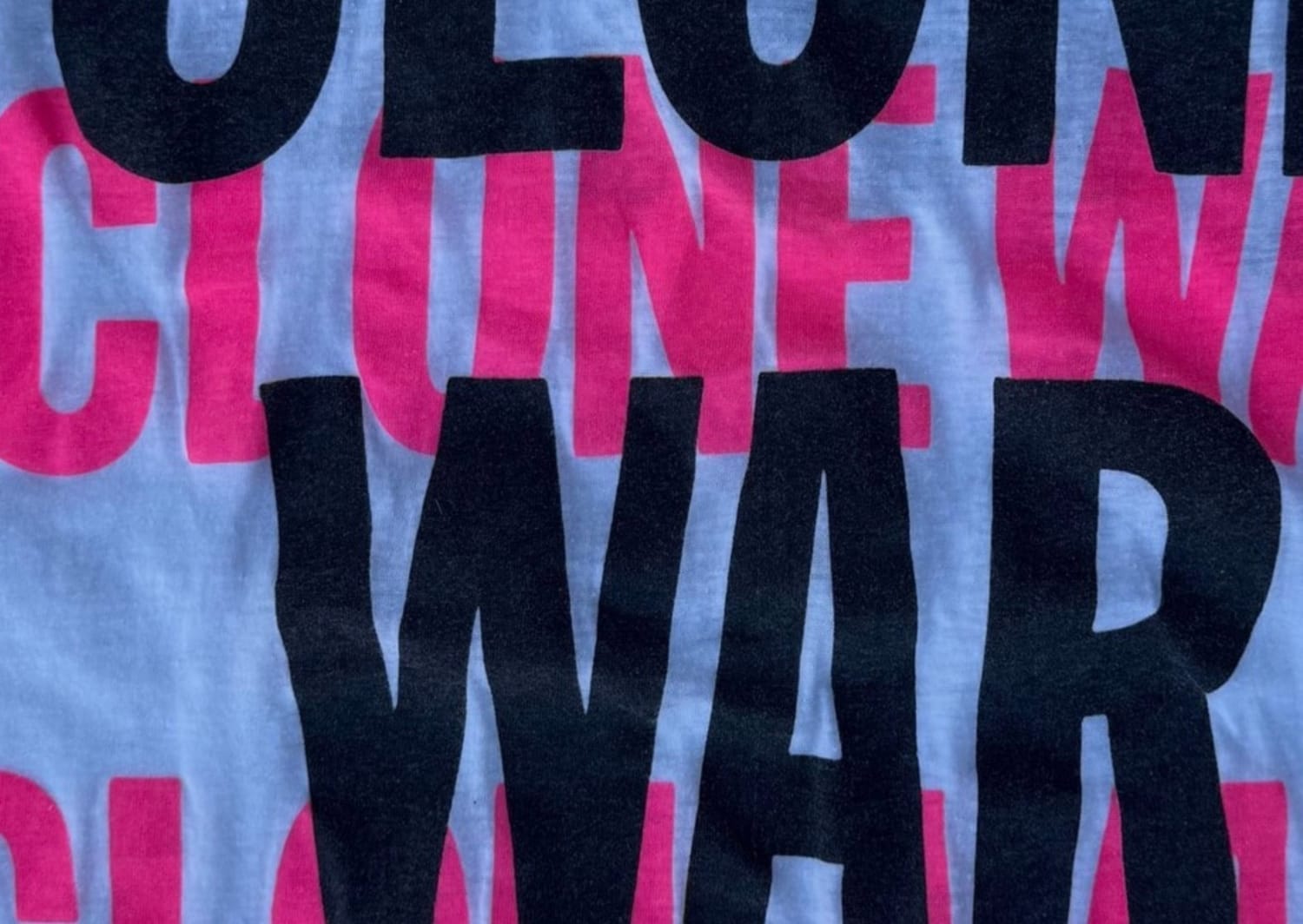
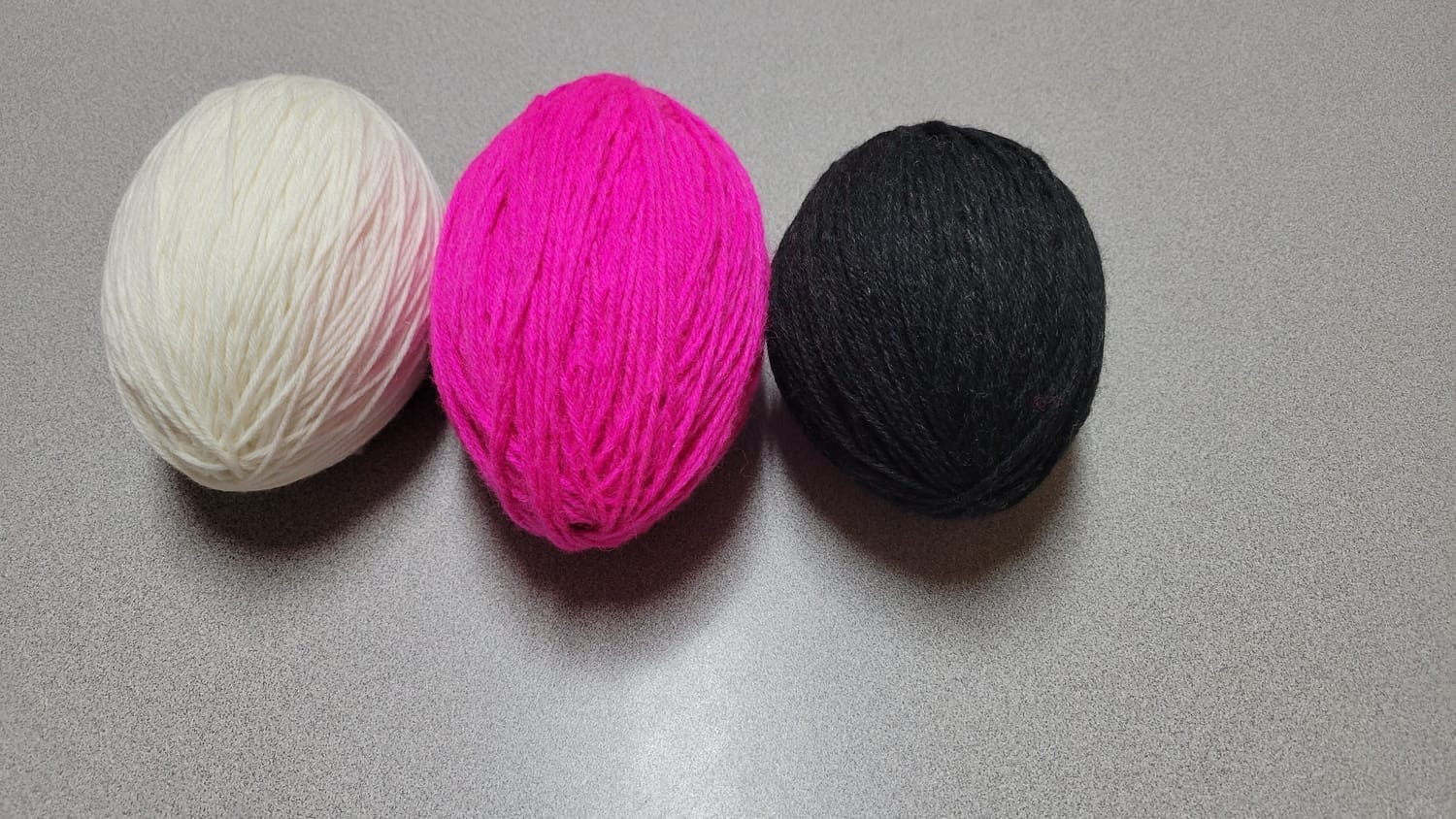
Fast forward to 2022, I was participating in a design-a-long (DAL) and I committed to create an over-sized argyle motif on a pullover sweater. I wanted the colors to be the same as the “Clone War - War is Stupid” t-shirt I bought at a Culture Club concert years prior (Who am I kidding? It was decades ago) - black, white, and fuchsia.
How did I do?
The black and white were no problem but the specific yarn fiber and weight I’d chosen did not have a fuchsia - a pale pink, a deep maroon, yes; but neither of these would do.
A friend of mine who spins, reminded me that dyeing yarn is always an option. I kicked myself for not thinking of it on my own. She also reminded me that wool (an animal fiber) requires a different treatment than cotton (a plant fiber) - fixing the color would also require a different fixative.
I know a lot of people use the grocery store brand - and that’s fine - but my experience was based in the “art” dye arena, so it was there that I returned to make my color change.
Back in the day, I’d used Jacquard dyes for cotton because the color stayed not only fast, but also stayed vibrant with wear following years of washing. So I returned to Jacquard for acid dyes which are used for animal fibers.
They have a wide range of colors and a very helpful guide full of color formulas so you can get the color you want.
I happen to like solid, non-diluted colors (no flecks, speckles or faded portions) in my sweaters so this was going to require a hot dye bath. Yes! Hot dye on 100% wool. I have no idea how much shrinkage there was - if any. I got the color I wanted and I had more than enough yarn for my project.
I have been known to see a fiber I like, buy a good quantity of yarn (10 skeins or more) in white and dye them later to my liking. It’s a really fun way to expand you color range and still use the yarn you love. Try it!
Subscribe to our FOOD newsletter, Spice & Simmer to get tasty, healthy meal ideas.
Visit our dedicated
Flavor First page
@FoodandFilament
For crafters who mean business
Crafted for Commerce
Created with systeme.io