


Beyond the Label: Why Choosing Whole Foods Helps Your Body Thrive
Disclaimer
Some of the links in this article may be affiliate links, which means we may receive a small commission, at no additional cost to you, if you decide to make a purchase through one of our recommended partners. We only recommend products and services we trust and believe will be beneficial to our readers. This helps support our efforts in bringing you valuable content. Thank you for your support.
Have you ever stood in the grocery aisle, turned a package over, and stared at a label full of words you could barely pronounce? You’re not alone. Food labels today often read more like a chemistry experiment than something you’d want to eat. Understanding what’s in your food is more than just a health trend—it’s essential for your body and overall wellness. While packaged foods are convenient, they can hide additives, preservatives, and artificial ingredients that may affect digestion, energy, and even long-term health and may not serve your health in the long run.
The good news? You don’t have to memorize every chemical name. With a little awareness, reading labels carefully and opting for whole foods can make a big difference allowing you to start choosing foods your body actually understands — foods that are easier to digest and less likely to trigger sensitivities, and more nourishing overall.
Why Label Reading Matters
Companies design food labels to meet legal requirements, not necessarily to make it easy for you to spot what’s truly inside. Ingredients are listed in order of quantity, which means the first three or four items tell you most of what you’re eating. But tucked further down the list, you’ll often find additives designed to keep foods colorful, sweet, or shelf-stable. Added sugars contribute to weight gain, blood sugar spikes, and inflammation, which can increase the risk of heart disease and other chronic conditions (Harvard Health, n.d.; American Heart Association, n.d.). Even foods marketed as “healthy” may contain artificial sweeteners, stabilizers, or flavor enhancers that your body doesn’t necessarily process efficiently (Tiny Health, n.d.; Vogue, 2022).
The problem? Many of those extras offer no nutritional value, and some may even cause trouble for sensitive individuals. Choosing whole, unprocessed foods gives your body nutrients in a form it can digest more easily, which can reduce digestive stress and promote better energy and metabolism (NHS, n.d.; UCSF, n.d.). For individuals with sensitivities or allergies, minimizing artificial ingredients can also decrease the likelihood of adverse reactions (CDC, n.d.).
Common Additives and Chemicals to Watch Out For
While not every additive is harmful, it helps to know the repeat offenders you’ll often see:
Artificial sweeteners (aspartame, sucralose): linked to digestive upset and may confuse your body’s natural hunger cues.
Artificial dyes (Red 40, Yellow 5, Blue 1): some people are sensitive, and they’re banned or restricted in parts of Europe.
Watch for Hidden Fats and Preservatives
Hydrogenated oils, partially hydrogenated oils, and artificial preservatives can affect heart health and digestion (Harvard Health, n.d.; American Heart Association, n.d.). Preservatives (BHA, BHT, sodium nitrite): extend shelf life but are still being studied for possible long-term effects.
MSG and flavor enhancers: can cause headaches or sensitivities in certain individuals.
Check for Added Sugars
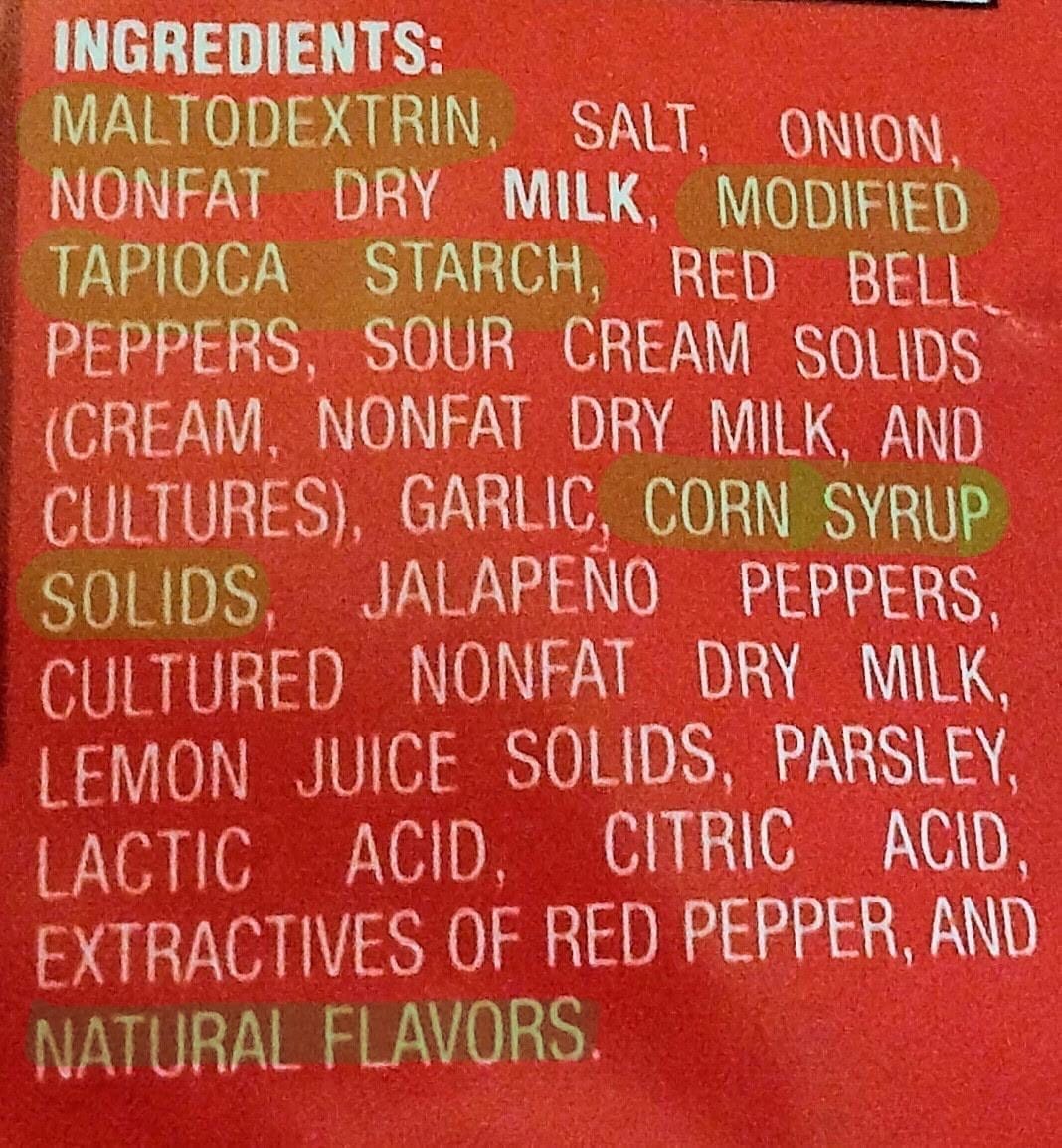
Look beyond “sugar” on the label—terms like corn syrup, cane juice, maltose, dextrose, and fruit juice concentrate are all forms of added sugar (CDC, n.d.; Rutgers, n.d.). High-fructose corn syrup: a cheap sweetener that spikes blood sugar and may contribute to insulin resistance.
Avoid Unfamiliar Chemical Names
If a product contains ingredients you cannot pronounce or don’t recognize, research them or consider avoiding them (Vogue, 2022). If you can’t pronounce an ingredient or wouldn’t use it in your own kitchen, that’s usually a sign to pause before buying.
Focus on whole food ingredients first. Foods that are mostly recognizable ingredients—vegetables, fruits, nuts, seeds, whole grains—are usually safer and more nutritious.
Why Whole and Natural Foods Are Easier on the Body
Here’s where whole foods shine: your body recognizes them. An apple isn’t just sugar — it’s sugar plus fiber, water, and antioxidants that help regulate digestion and absorption. A piece of salmon brings protein along with healthy fats and minerals, all working together in balance.
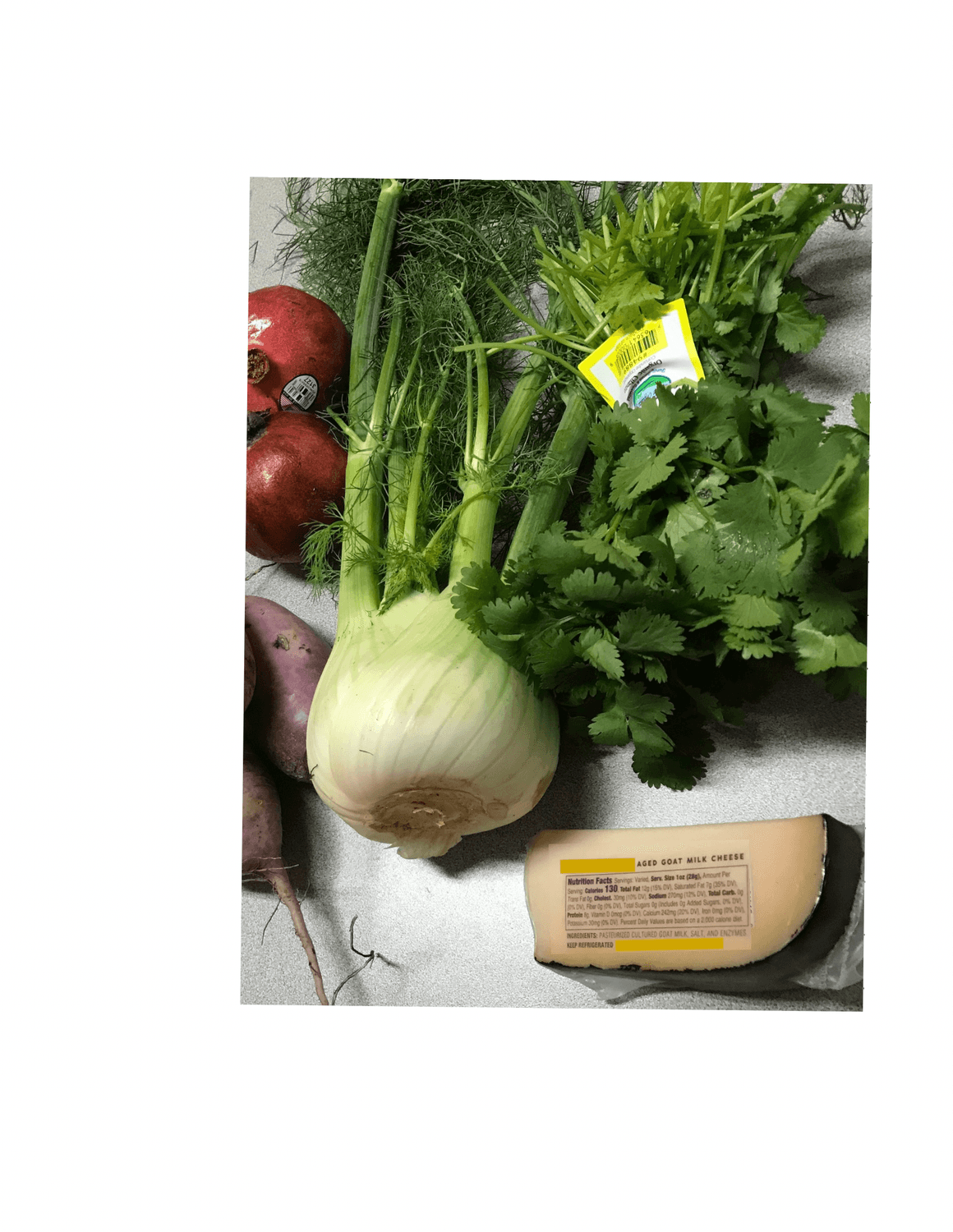
Whole ingredients are generally easier for your body to process. When you eat foods in their natural or minimally processed state, digestion is smoother, nutrient absorption is stronger, and your body doesn’t have to work overtime to figure out what it’s dealing with.
Improved Energy and Mood: stable blood sugar levels support consistent energy throughout the day. Whole foods often provide fiber, vitamins, and minerals missing from processed options thereby providing greater nutritional value.
Fewer Allergies and Sensitivities
Did you know that some food sensitivities are triggered not by the base food, but by the chemicals added to it? For example, someone might tolerate fresh fruit but react poorly to the preservatives in canned fruit. By choosing foods with fewer additives, you reduce the risk of running into “hidden” allergy triggers. Reduced exposure to allergens/additives minimizes the risk of reactions to artificial substances.

How to Shop Smarter
Making better choices doesn’t mean you need to overhaul your pantry all at once. Start small with these label-reading tips:
Stick to shorter ingredient lists: Fewer ingredients usually means fewer additives.
Look for whole food words: rice, oats, tomatoes, garlic — these are foods, not chemicals.
Shop the perimeter of the store: fresh produce, dairy, meats, and whole grains tend to live on the edges.
Be label curious: flip the package and see if what’s inside matches your health goals.
Final Thoughts
Eating clean doesn’t have to mean perfect. It’s about progress — replacing some processed foods with whole, recognizable ingredients and giving your body the fuel it knows how to use. When you read labels with a more critical eye and lean toward natural foods, you’re not just avoiding chemicals… you’re choosing nourishment your body can actually thrive on.
Even small steps—like swapping a packaged snack for fresh fruit or making your own sauces and dressings—can have a significant impact on your health over time.
Your next step? Try swapping one packaged item this week for a fresh or homemade version. You’ll likely notice the difference in taste — and your body will thank you.
Have questions or experiences to share? Join the conversation on our Facebook page Flavor First.
👉 [Download Your Label Reading Cheat Sheet Here]
Stick it on your fridge or keep a copy on your mobile device — and the next time you go shopping, you’ll know exactly what to look out for.
Sources
Harvard Health. The Sweet Danger of Sugar. Harvard Medical School. https://www.health.harvard.edu/heart-health/the-sweet-danger-of-sugar
American Heart Association. Added Sugars. https://www.heart.org/en/healthy-living/healthy-eating/eat-smart/sugar/added-sugars
Centers for Disease Control and Prevention (CDC). Spotting Hidden Sugars in Everyday Foods. https://www.cdc.gov/diabetes/healthy-eating/spotting-hidden-sugars-in-everyday-foods.html
Tiny Health. Unmasking Hidden Sugars: Best Swaps to Support Your Gut. https://www.tinyhealth.com/blog/unmasking-hidden-sugars-best-swaps-to-support-your-gut
NHS. Sugar: The Facts. https://www.nhs.uk/live-well/eat-well/food-types/how-does-sugar-in-our-diet-affect-our-health/
University of California, San Francisco (UCSF). Hidden in Plain Sight. https://sugarscience.ucsf.edu/hidden-in-plain-sight/
Rutgers New Jersey Agricultural Experiment Station. Added Sugars: Hidden in Plain View. https://njaes.rutgers.edu/fs1305/
Vogue. How to Avoid Hidden Sugar in Foods. https://www.vogue.com/article/how-to-avoid-hidden-sugar-in-foods
Subscribe to our FOOD newsletter, Spice & Simmer to get tasty, healthy meal ideas.
Visit our dedicated
Flavor First page
@FoodandFilament
For crafters who mean business
Crafted for Commerce
Created with systeme.io