


Complex vs. Simple Carbohydrates: What’s the Difference and Why It Matters for Your Health
Disclaimer
Some of the links in this article may be affiliate links, which means we may receive a small commission, at no additional cost to you, if you decide to make a purchase through one of our recommended partners. We only recommend products and services we trust and believe will be beneficial to our readers. This helps support our efforts in bringing you valuable content. Thank you for your support.
Carbohydrates often get a bad reputation in the world of nutrition, especially for people looking to balance their blood sugar or manage weight. But the truth is, not all carbs are created equal. Understanding the difference between simple and complex carbohydrates can help you make smarter food choices, stabilize your energy levels, and enjoy a more balanced diet (Holesh, Aslam, & Martin, 2023; Mann, 1986).
What Are Simple Carbohydrates?
Simple carbohydrates are made of one or two sugar molecules, which makes them easy to break down and absorb quickly into the bloodstream (Holesh et al., 2023). This rapid digestion can cause a quick spike in blood sugar, followed by an energy crash (American Heart Association, 2023; Medical News Today, 2023).
Examples of complex carbs include:
Table sugar
Candy and baked goods, (cookies, cakes, pastries)
Soda and sweetened drinks
White bread and refined flour products

While simple carbs can provide quick energy, relying on them regularly may leave you feeling drained, hungry, and craving more sugar.
What Are Complex Carbohydrates?
Complex carbohydrates have longer chains of sugar molecules, meaning the body takes longer to digest them (Holesh et al., 2023). This slower breakdown provides a steady stream of energy, keeps you feeling fuller for longer, and has less impact on blood sugar spikes (American Heart Association, 2023; Mannan et al., 2022)..
Examples of complex carbs include:
Whole grains (brown rice, oats, quinoa)
Legumes (beans, lentils, chickpeas)
Starchy vegetables (sweet potatoes, squash, corn)
Fiber-rich vegetables (broccoli, spinach, kale)
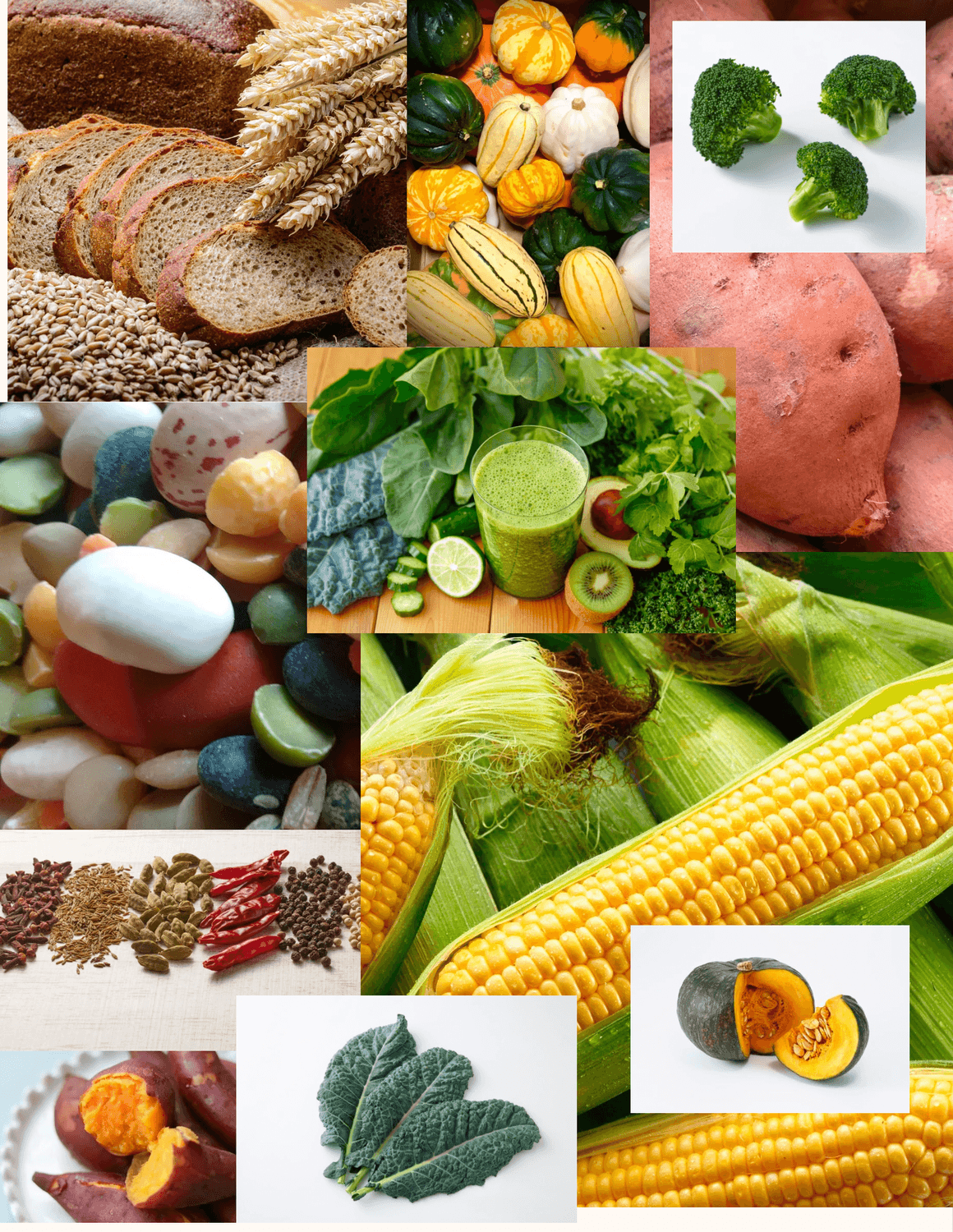
Complex carbs are often packed with fiber, vitamins, and minerals, making them a key player in a well-balanced diet (Medical News Today, 2023).
Why It Matters
For those managing diabetes, weight, or just aiming for steady energy, the type of carbs you eat matters as much as the amount. Choosing complex carbohydrates helps:
Improve digestion
Keep blood sugar levels steady
Support long-term heart and brain health
Reduce cravings for processed sugar
(Scazzina et al., 2022; Monteiro & Popkin, 2023)
Tips for Making Better Carb Choices
Swap white bread for whole-grain bread (American Heart Association, 2023)
Choose sweet potatoes instead of white potatoes (Medical News Today, 2023)
Snack on fruit paired with nuts instead of candy or chips (Mannan et al., 2022)
Add beans or lentils to soups, salads, and stews for extra fiber and protein (Holesh et al., 2023)
Check nutrition labels for added sugars—often hidden in sauces, dressings, and packaged foods (Scazzina et al., 2022)
Final Thoughts
Carbohydrates are not the enemy—choosing the right ones is the key. By focusing on complex carbs and limiting simple sugars, you’ll support steady energy, better digestion, and overall improved health (Mannan et al., 2022; Monteiro & Popkin, 2023). Think of it as trading quick fixes for long-lasting fuel that your body will thank you for.
Have questions or experiences to share? Join the conversation on our Facebook page Flavor First.
Ready to bring flavor back to your kitchen by making simple swaps while adding big flavor? If you've been craving easy, blood-sugar-friendly meals, this course was made for you. Join our course, Flavor First: Healthy Home Cooking for Real Life and start cooking your way to heath.
👉 [Flavor First: Healthy Home Cooking for Real Life sign up]
Sources
American Heart Association. (2023). Carbohydrates. American Heart Association. https://www.heart.org/en/healthy-living/healthy-eating/eat-smart/nutrition-basics/carbohydrates
Holesh, J. E., Aslam, S., & Martin, S. (2023). Physiology, carbohydrates. In StatPearls. StatPearls Publishing. https://www.ncbi.nlm.nih.gov/books/NBK459280/
Mannan, M., Hosen, I., Rahman, M. S., Haque, M. R., & Begum, S. A. (2022). The burden of carbohydrates in health and disease. Frontiers in Nutrition, 9, 950586. https://pmc.ncbi.nlm.nih.gov/articles/PMC9505863/
Medical News Today. (2023, March 22). Simple carbs vs. complex carbs: What’s the difference? https://www.medicalnewstoday.com/articles/325171
Mann, J. I. (1986). Simple versus complex carbohydrates and health. Nutrition Reviews, 44(2), 44–49. https://doi.org/10.1111/j.1753-4887.1986.tb07534.x
Scazzina, F., Del Rio, D., Pellegrini, N., & Brighenti, F. (2022). Importance of carbohydrate quality: What does it mean and how to evaluate it. The Journal of Nutrition, 152(9), 2150–2161. https://doi.org/10.1093/jn/nxac100
Monteiro, C. A., & Popkin, B. M. (2023). Carbohydrate confusion and dietary patterns: Clarifying misconceptions about simple and complex carbs. Frontiers in Nutrition, 10, 1266308. https://www.frontiersin.org/articles/10.3389/fnut.2023.1266308/full
Subscribe to our FOOD newsletter, Spice & Simmer to get tasty, healthy meal ideas.
Visit our dedicated
Flavor First page
@FoodandFilament
For crafters who mean business
Crafted for Commerce
Created with systeme.io