

The Importance of Reading Food Labels
Disclaimer
Some of the links in this article may be affiliate links, which means we may receive a small commission, at no additional cost to you, if you decide to make a purchase through one of our recommended partners. We only recommend products and services we trust and believe will be beneficial to our readers. This helps support our efforts in bringing you valuable content. Thank you for your support.
Ever feel overwhelmed standing in the grocery aisle, staring at food labels that seem more like puzzles than helpful guides? You’re not alone. For anyone managing diabetes—or just aiming to eat healthier—understanding food labels is a powerful tool. With just a few quick checks, you can make smarter choices that protect your blood sugar, heart health, and overall well-being.
Why Food Labels Matter
Food marketing is designed to grab attention with buzzwords like “natural,” “low-fat,” or “sugar-free.” But those labels don’t always mean what you think. The real story is in the Nutrition Facts panel and the ingredients list. Learning how to read these sections gives you control over your diet instead of relying on marketing claims.
What to Look For on Food Labels
1. Serving Size Comes First
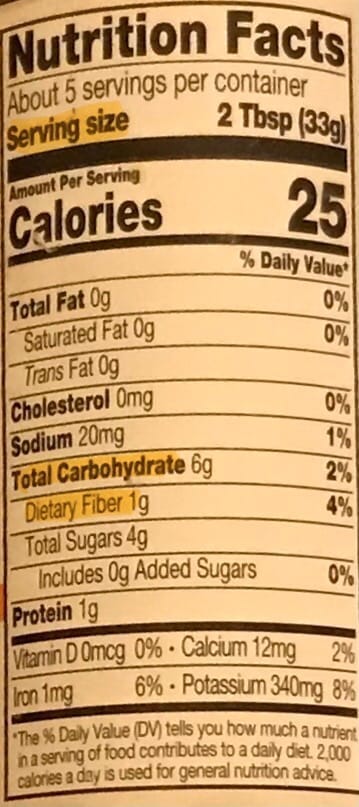
All nutrition facts are based on the serving size.
Many products contain 2–3 servings per container—so that “healthy snack” could add up fast.
2. Total Carbohydrates vs. Added Sugars
For people with diabetes, carbs matter more than calories.
Look for total carbohydrates and added sugars separately.
Hidden sugars can appear in cereals, sauces, and even yogurt.
3. Fiber: The Unsung Hero
Aim for at least 3 grams of fiber per serving when possible.
Fiber slows digestion, reduces blood sugar spikes, and keeps you full.
4. Sodium Check
High sodium intake is linked to high blood pressure.
Daily guideline: 2,300 mg or less (about 1 teaspoon of salt).
5. Ingredients List
Ingredients are listed in order of weight.
The shorter the list, the better.
Watch for sneaky sugar names: corn syrup, cane juice, agave nectar.
Quick Tips for Smarter Shopping
Compare brands: Two loaves of bread may look the same, but one could have twice the sugar and half the fiber.
Look beyond “sugar-free”: Some sugar-free foods are high in carbs or saturated fats.
Shop the perimeter first: Fresh produce, lean proteins, and whole foods usually have no label—and that’s often a good thing.
Final Thoughts
Reading food labels doesn’t have to be stressful. With practice, you’ll spot hidden sugars, excess sodium, and unnecessary additives in seconds. Each smart choice adds up, giving you more
Have questions or experiences to share? Join the conversation on our Facebook page Flavor First.
👉 [Download Your Label Reading Cheat Sheet Here]
Stick it on your fridge, and keep a copy on your mobile device so the next time you go shopping, you’ll know exactly what things to avoid..
Sources
American Diabetes Association. “Diabetes Meal Planning.” ADA, 2025.
Mayo Clinic Staff. “Nutrition and Healthy Eating: Reading Food Labels.” Mayo Clinic, 2024.
National Institutes of Health. “Understanding Food Labels.” NIH Office of Disease Prevention, 2024.
Subscribe to our FOOD newsletter, Spice & Simmer to get tasty, healthy meal ideas.
Visit our dedicated
Flavor First page
@FoodandFilament
For crafters who mean business
Crafted for Commerce
Created with systeme.io