


Natural Movement Exercises: Move Your Body, Balance Your Blood Sugar
Disclaimer
Some of the links in this article may be affiliate links, which means we may receive a small commission, at no additional cost to you, if you decide to make a purchase through one of our recommended partners. We only recommend products and services we trust and believe will be beneficial to our readers. This helps support our efforts in bringing you valuable content. Thank you for your support.
Exercise is one of the most effective tools for managing blood sugar, improving cardiovascular health, and boosting overall well-being. But movement doesn’t have to mean hours at the gym or complicated routines. Natural movement exercises—the kind your body was designed to do—can help stabilize blood sugar, strengthen muscles, and enhance mobility, all while being simple and enjoyable.
Why Natural Movement Matters
When you move naturally, you engage multiple muscle groups, improve circulation, and encourage your body to use glucose efficiently. This type of movement can:
Lower post-meal blood sugar spikes
Improve insulin sensitivity
Reduce stress and cortisol levels
Support joint flexibility and balance
Make exercise enjoyable, sustainable, and accessible
Natural movement focuses on functional activities, meaning movements you perform in daily life, like bending, lifting, walking, or reaching—but done mindfully and with intention.
Examples of Natural Movement Exercises
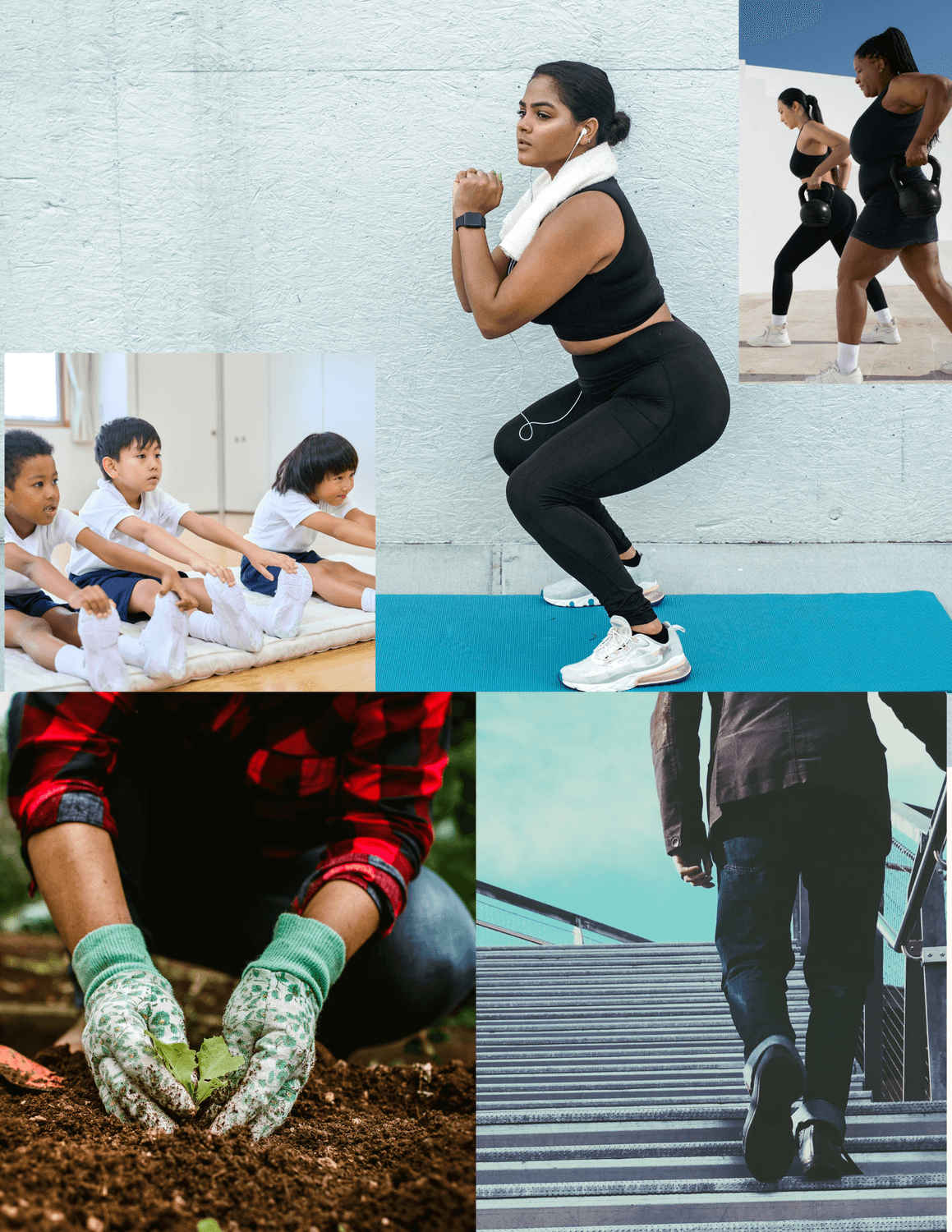
1. Walking
A simple stroll around your neighborhood or a gentle 10-minute walk after meals can significantly lower post-meal blood sugar. Walking is low-impact, easy to do anywhere, and can be combined with mindfulness for stress relief.
2. Bodyweight Squats
Squats strengthen the legs and glutes while improving balance. They mimic natural movements like sitting and standing. Start with a few reps, holding onto a chair for support if needed.
3. Stretching and Mobility Flows
Slowly moving through stretches, shoulder rolls, spinal twists, and hip openers improves flexibility and joint health. Gentle yoga or tai chi sessions count here too.
4. Climbing Stairs or Hills
Natural for daily life, stair climbing builds cardiovascular fitness and leg strength. Begin with a few flights and increase gradually.
5. Carrying or Lifting Light Loads
Carrying groceries, water bottles, or even a small backpack engages muscles while mimicking everyday tasks. Focus on good posture and controlled movement.
6. Gardening and Housework
Yes — everyday chores can count! Digging, raking, sweeping, or vacuuming keeps your body active and encourages full-body engagement.
Tips for Making Movement Sustainable
Consistency over intensity: Even 10–15 minutes of gentle movement, multiple times a day, is beneficial.
Pair movement with meals: A short walk after eating helps control blood sugar.
Listen to your body: Pain is not a goal; natural movement is meant to feel functional, not forced.
Combine with mindful breathing: Moving while focusing on your breath reduces stress and enhances blood sugar regulation.
Putting It into Practice
Think of natural movement as an opportunity to integrate activity into life rather than a chore.
For example:
Walk to the mailbox instead of driving
Take stairs instead of the elevator
Stretch or do a few squats during TV commercials
Garden, vacuum, or carry laundry mindfully
These small choices accumulate, supporting stable blood sugar, stronger muscles, and better overall health.
Final Thoughts
Natural movement is approachable, adaptable, and effective for maintaining blood sugar and overall wellness. You don’t need a gym membership or complex equipment—just your body and intentional movement. Over time, these simple, functional exercises build strength, flexibility, and confidence in your daily life.
Have questions or experiences to share? Join the conversation on our Facebook page Flavor First.
Ready to bring flavor back to your kitchen by making simple swaps while adding big flavor? If you've been craving easy, blood-sugar-friendly meals, this course was made for you. Join our course, Flavor First: Healthy Home Cooking for Real Life and start cooking your way to heath
👉 [Flavor First: Healthy Home Cooking for Real Life sign up]
Sources
American Diabetes Association. Exercise and Type 2 Diabetes.
Mayo Clinic. Diabetes: Exercise to Manage Your Blood Sugar.
National Institute of Diabetes and Digestive and Kidney Diseases (NIDDK). Physical Activity for Diabetes.
Harvard Health Publishing. The Benefits of Natural Movement and Functional Exercise.
Subscribe to our FOOD newsletter, Spice & Simmer to get tasty, healthy meal ideas.
Visit our dedicated
Flavor First page
@FoodandFilament
For crafters who mean business
Crafted for Commerce
Created with systeme.io