


Swiss Chard: The Overlooked Green That Deserves a Place on Your Plate
Disclaimer
Some of the links in this article may be affiliate links, which means we may receive a small commission, at no additional cost to you, if you decide to make a purchase through one of our recommended partners. We only recommend products and services we trust and believe will be beneficial to our readers. This helps support our efforts in bringing you valuable content. Thank you for your support.
A Green Worth Knowing
Swiss chard often sits quietly beside spinach and kale at the market, but this leafy green is a true nutrient powerhouse. With its jewel-toned stems and broad, dark leaves, chard brings both beauty and vitality to the plate.
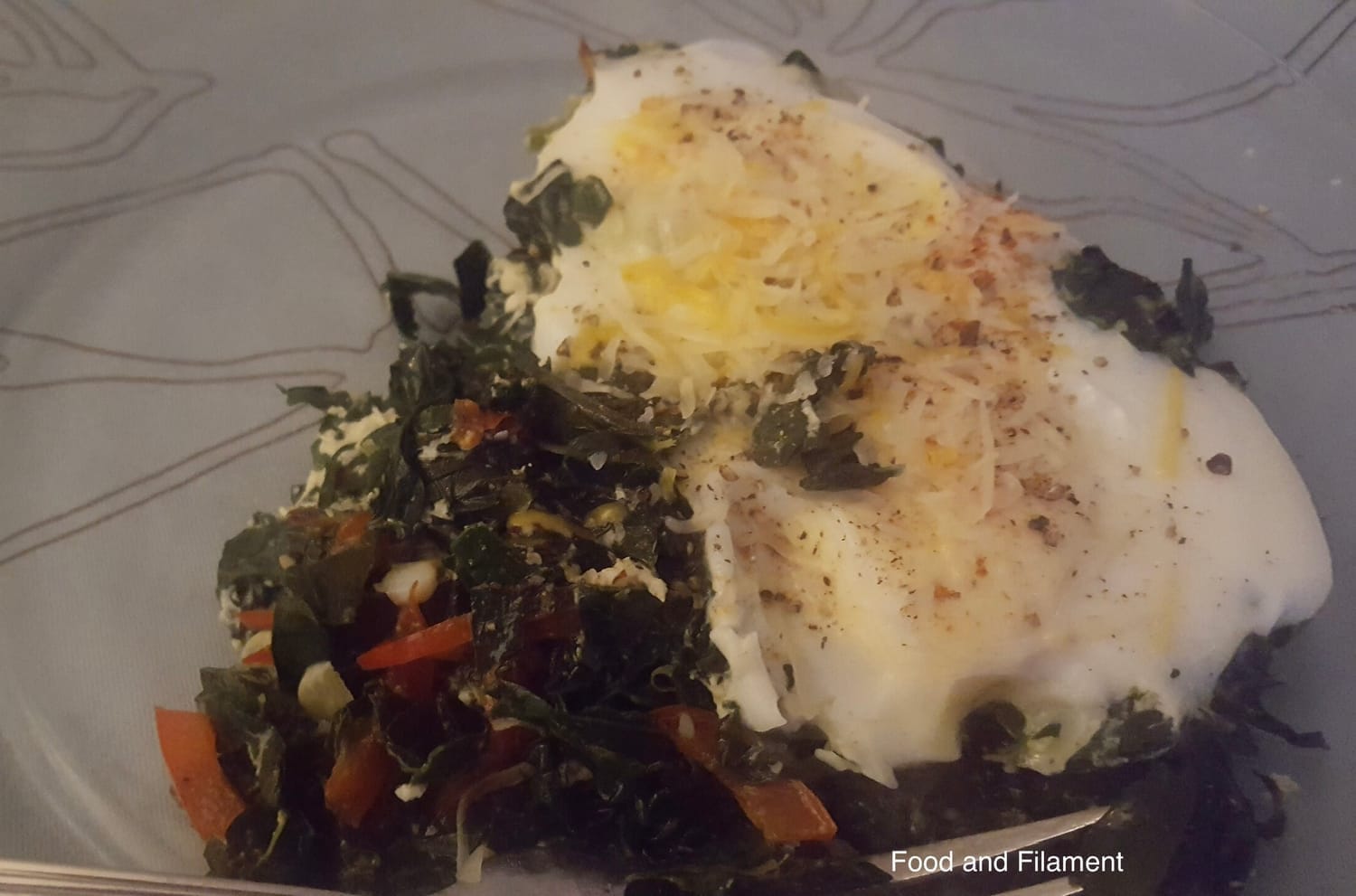
Its mild, slightly earthy flavor blends easily into everyday meals — whether you sauté it with olive oil and garlic, stir it into soups, or enjoy it under a softly poached egg as in today’s featured recipe.
But flavor is only half the story — Swiss chard’s nutrition profile makes it a standout for both heart and blood-sugar health.
Health Benefits: Heart and Blood-Sugar Support Heart Health
The minerals in Swiss chard — especially potassium and magnesium — help regulate blood pressure by balancing the effects of sodium (National Institutes of Health [NIH], 2022). Its phytonutrients and antioxidants may also help reduce inflammation and oxidative damage, both of which play roles in heart disease development (Aune et al., 2017).
Blood-Sugar Balance
For those managing diabetes or insulin sensitivity, Swiss chard provides slow-digesting carbohydrates and fiber that help stabilize glucose levels (Livesey et al., 2019). Compounds in chard leaves, such as syringic acid, have been shown to inhibit certain enzymes involved in carbohydrate breakdown, offering gentle support for blood-sugar regulation (Kanter et al., 2015).
Anti-Inflammatory and Protective Effects
Swiss chard is rich in polyphenols and carotenoids, which act as antioxidants to neutralize free radicals and reduce inflammation throughout the body (Slavin & Lloyd, 2012). Regular inclusion of leafy greens like chard is linked with lower risks of cardiovascular disease, metabolic syndrome, and type 2 diabetes.
A Simple Addition with Lasting Impact
Swiss chard proves that everyday meals can be both beautiful and beneficial. By bringing more greens like chard into your weekly rhythm, you naturally support your heart, blood sugar, and overall vitality — one flavorful plate at a time.
Flavor First Tip:
Pair Swiss chard with olive oil, citrus, or a sprinkle of nuts to enhance both taste and absorption of fat-soluble nutrients like vitamins A and K.
References
Aune, D., Giovannucci, E., Boffetta, P., Fadnes, L. T., Keum, N., Norat, T., ... & Tonstad, S. (2017). Fruit and vegetable intake and the risk of cardiovascular disease, total cancer and all-cause mortality—a systematic review and dose-response meta-analysis of prospective studies. International Journal of Epidemiology, 46(3), 1029–1056. https://doi.org/10.1093/ije/dyw319
Kanter, M., Aktas, C., & Erboga, M. (2015). Protective effects of Swiss chard (Beta vulgaris var. cicla) extract on oxidative stress, inflammation and apoptosis in diabetic rats. Food and Chemical Toxicology, 78, 52–59. https://doi.org/10.1016/j.fct.2015.01.012
Livesey, G., Taylor, R., Livesey, H. F., & Buyken, A. E. (2019). Dietary glycemic index and load and the risk of type 2 diabetes: a systematic review and updated meta-analyses of prospective cohort studies. Nutrients, 11(6), 1280. https://doi.org/10.3390/nu11061280
National Institutes of Health (NIH). (2022). Potassium—Fact Sheet for Health Professionals.https://ods.od.nih.gov/factsheets/Potassium-HealthProfessional/
Slavin, J. L., & Lloyd, B. (2012). Health benefits of fruits and vegetables. Advances in Nutrition, 3(4), 506–516. https://doi.org/10.3945/an.112.002154
U.S. Department of Agriculture (USDA). (2023). FoodData Central: Swiss chard, cooked, boiled, drained, without salt.https://fdc.nal.usda.gov/fdc-app.html#/food-details/169910/nutrients
Have questions or experiences to share? Join the conversation on our Facebook page Flavor First.
Ready to bring flavor back to your kitchen by making simple swaps while adding big flavor? If you've been craving easy, blood-sugar-friendly meals, this course was made for you. Join our course, Flavor First: Healthy Home Cooking for Real Life and start cooking your way to heath
👉 [Flavor First: Healthy Home Cooking for Real Life sign up]
A Green Worth Knowing
Swiss chard often sits quietly beside spinach and kale at the market, but this leafy green is a true nutrient powerhouse. With its jewel-toned stems and broad, dark leaves, chard brings both beauty and vitality to the plate.
Its mild, slightly earthy flavor blends easily into everyday meals — whether you sauté it with olive oil and garlic, stir it into soups, or enjoy it under a softly poached egg as in today’s featured recipe.
But flavor is only half the story — Swiss chard’s nutrition profile makes it a standout for both heart and blood-sugar health.
Health Benefits: Heart and Blood-Sugar Support Heart Health
The minerals in Swiss chard — especially potassium and magnesium — help regulate blood pressure by balancing the effects of sodium (National Institutes of Health [NIH], 2022). Its phytonutrients and antioxidants may also help reduce inflammation and oxidative damage, both of which play roles in heart disease development (Aune et al., 2017).
Blood-Sugar Balance
For those managing diabetes or insulin sensitivity, Swiss chard provides slow-digesting carbohydrates and fiber that help stabilize glucose levels (Livesey et al., 2019). Compounds in chard leaves, such as syringic acid, have been shown to inhibit certain enzymes involved in carbohydrate breakdown, offering gentle support for blood-sugar regulation (Kanter et al., 2015).
Anti-Inflammatory and Protective Effects
Swiss chard is rich in polyphenols and carotenoids, which act as antioxidants to neutralize free radicals and reduce inflammation throughout the body (Slavin & Lloyd, 2012). Regular inclusion of leafy greens like chard is linked with lower risks of cardiovascular disease, metabolic syndrome, and type 2 diabetes.
A Simple Addition with Lasting Impact
Swiss chard proves that everyday meals can be both beautiful and beneficial. By bringing more greens like chard into your weekly rhythm, you naturally support your heart, blood sugar, and overall vitality — one flavorful plate at a time.
Flavor First Tip:
Pair Swiss chard with olive oil, citrus, or a sprinkle of nuts to enhance both taste and absorption of fat-soluble nutrients like vitamins A and K.
References
Aune, D., Giovannucci, E., Boffetta, P., Fadnes, L. T., Keum, N., Norat, T., ... & Tonstad, S. (2017). Fruit and vegetable intake and the risk of cardiovascular disease, total cancer and all-cause mortality—a systematic review and dose-response meta-analysis of prospective studies. International Journal of Epidemiology, 46(3), 1029–1056. https://doi.org/10.1093/ije/dyw319
Kanter, M., Aktas, C., & Erboga, M. (2015). Protective effects of Swiss chard (Beta vulgaris var. cicla) extract on oxidative stress, inflammation and apoptosis in diabetic rats. Food and Chemical Toxicology, 78, 52–59. https://doi.org/10.1016/j.fct.2015.01.012
Livesey, G., Taylor, R., Livesey, H. F., & Buyken, A. E. (2019). Dietary glycemic index and load and the risk of type 2 diabetes: a systematic review and updated meta-analyses of prospective cohort studies. Nutrients, 11(6), 1280. https://doi.org/10.3390/nu11061280
National Institutes of Health (NIH). (2022). Potassium—Fact Sheet for Health Professionals.https://ods.od.nih.gov/factsheets/Potassium-HealthProfessional/
Slavin, J. L., & Lloyd, B. (2012). Health benefits of fruits and vegetables. Advances in Nutrition, 3(4), 506–516. https://doi.org/10.3945/an.112.002154
U.S. Department of Agriculture (USDA). (2023). FoodData Central: Swiss chard, cooked, boiled, drained, without salt.https://fdc.nal.usda.gov/fdc-app.html#/food-details/169910/nutrients
Have questions or experiences to share? Join the conversation on our Facebook page Flavor First.
Ready to bring flavor back to your kitchen by making simple swaps while adding big flavor? If you've been craving easy, blood-sugar-friendly meals, this course was made for you. Join our course, Flavor First: Healthy Home Cooking for Real Life and start cooking your way to heath
👉 [Flavor First: Healthy Home Cooking for Real Life sign up]
Subscribe to our FOOD newsletter, Spice & Simmer to get tasty, healthy meal ideas.
Visit our dedicated
Flavor First page
@FoodandFilament
For crafters who mean business
Crafted for Commerce
Created with systeme.io